
LANDSCAPING COMPANY
CREATIVE LANDSCAPING
We are passionate about transforming landscapes into extraordinary spaces that capture the essence of beauty and efficiency.
Who We Are
Creative Landscaping, a family-owned and operated landscaping company, is led by owner Marvin Lambie and his son, Dexter Lambie, who both play integral roles in its operations based in Lincoln, NE.
Creative’s crew is a definite representation of passion, hard work, and dedicated precision. We pride ourselves in the gritty and dedicated personalities within our crew. Our crew consists of multiple landscape experts who have been working their craft for years, as well as over a dozen students at the University of Nebraska and Southeast Community College.

How Can We Transform Your Landscape?
Enhance your Lincoln, NE home with our Landscaping Services.
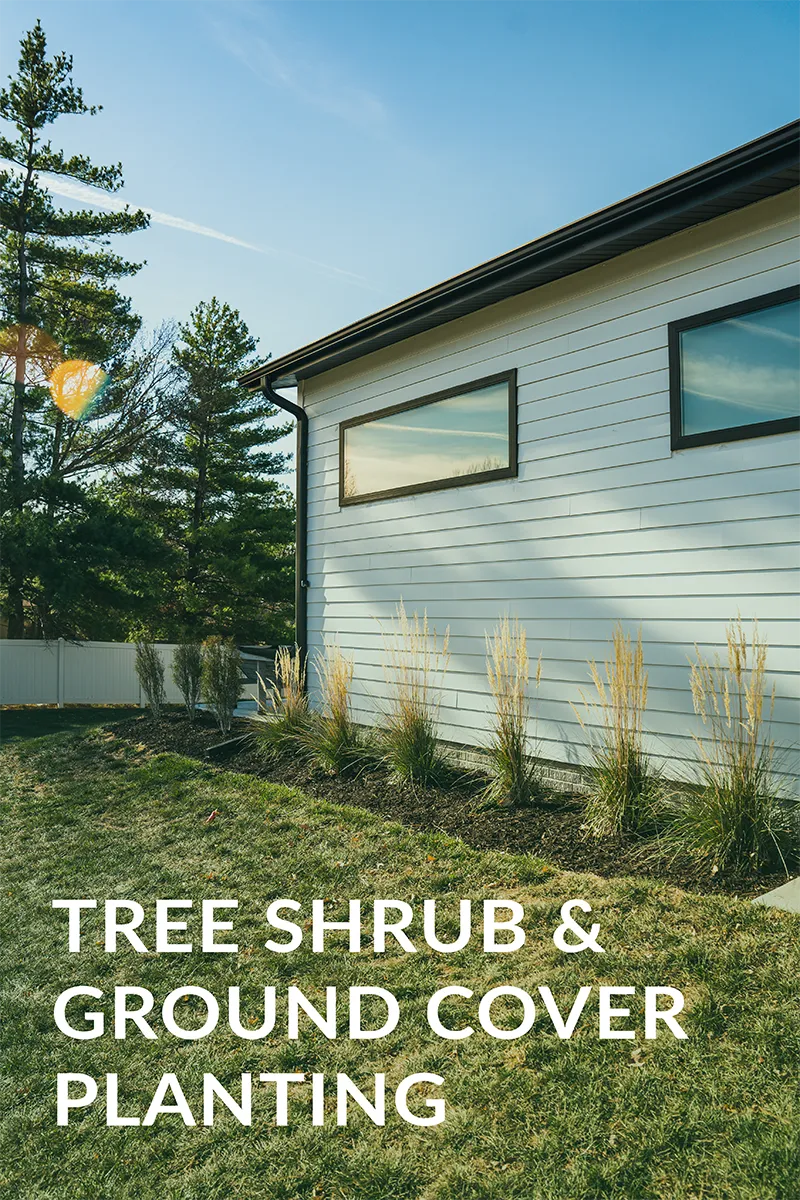
Aesthetics are our first priority. That’s why we seek out leading industry designers to provide Lincoln and its surrounding areas with eminent landscapes that are both beautiful and sustainable.
Raving Reviews From Your Neighbors
Rebecca C.
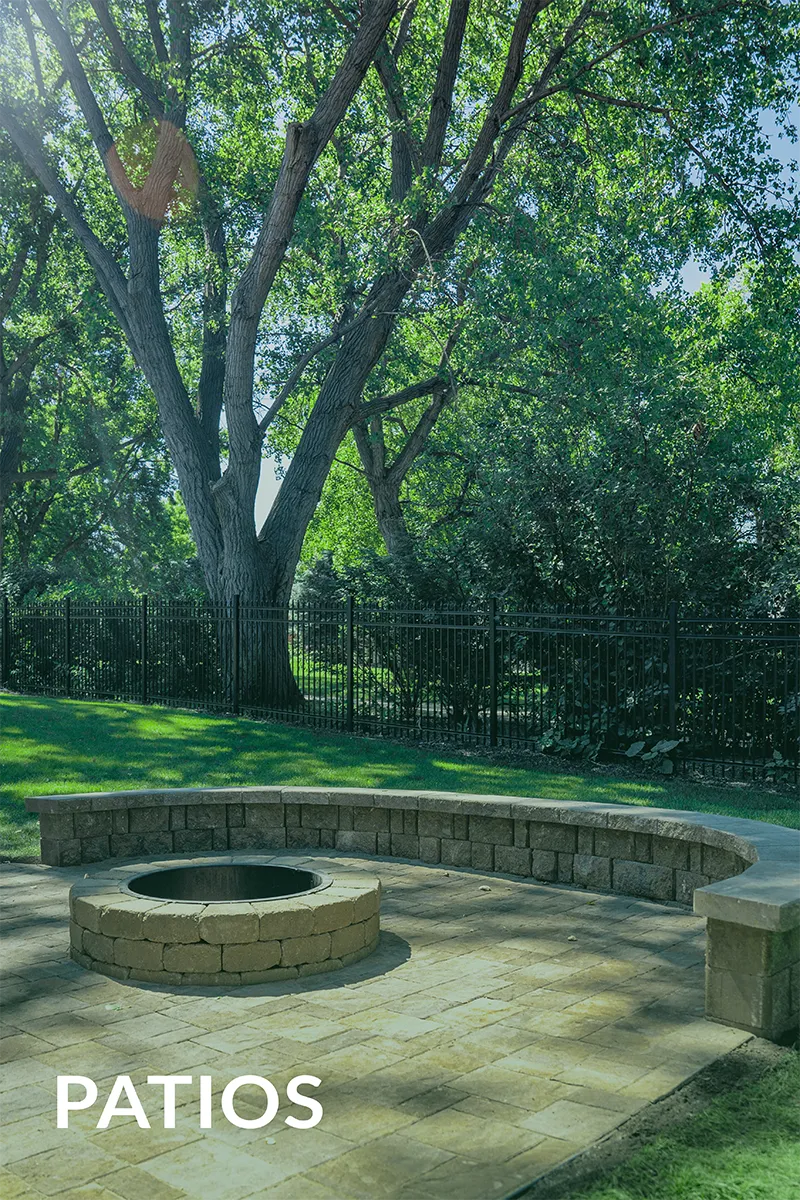
Patio & General Landscaping
〝 I’ve used a lot of big landscape companies when I lived in Colorado. Creative Landscaping rates far and above. They tool me through every step, drew up grate plans and were very helpful with decisions. They not only did an amazing job putting in two slab decks and doing all my backyard landscaping they also moved many many glass rocks and boulders I brought with me placing them in the landscaping to look great. They were all very nice and extremely courteous. I would not hesitate to use them again and definitely will for some future landscaping. 〞

Cheryl K.
Water Feature
〝 Up front pricing. Reasonable rates. Hard working crews. Great work. Couldn’t be happier.〞
Brian B.
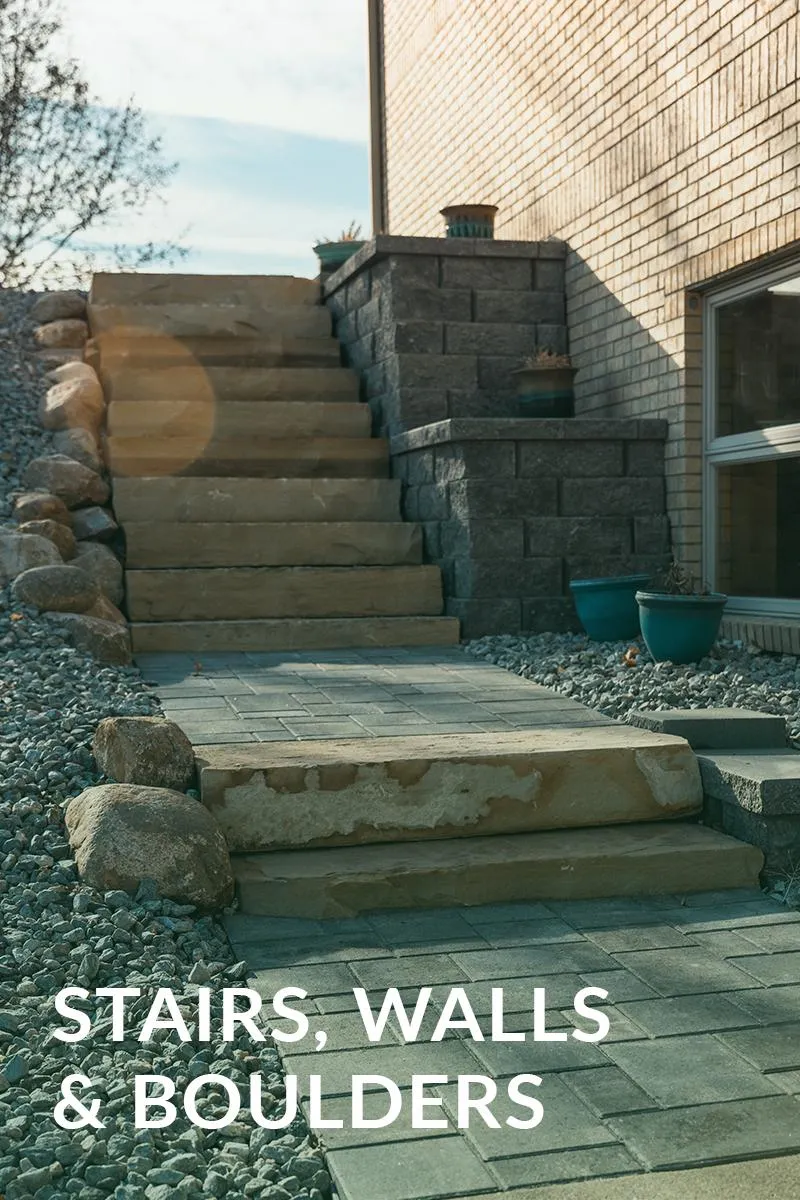
Hardscape Stairs
〝Very detailed and did not make a mess of the yard or surrounding area!〞
Linda W.
General Landscaping
〝 We have used Creative Landscaping 3 times - and will use them again next Spring! They respond to your inquiries so quickly and bend over backwards to provide the product you want. Their crew is so polite, and they work so well together! 〞
Matt H.
General Landscaping
〝 We love the work Creative Landscaping did transforming our backyard. This is a great team, and this company is easy to recommend. Superior communication and follow through; professional and personable from the beginning of the project to the end. The design totally reflects our tastes, refreshes our surroundings, and it all connects perfectly to our existing landscaping. We will really enjoy it. We'll spread the word about you, and we are eager to work with you all again.〞
Ready to Revitalize Your Landscape?
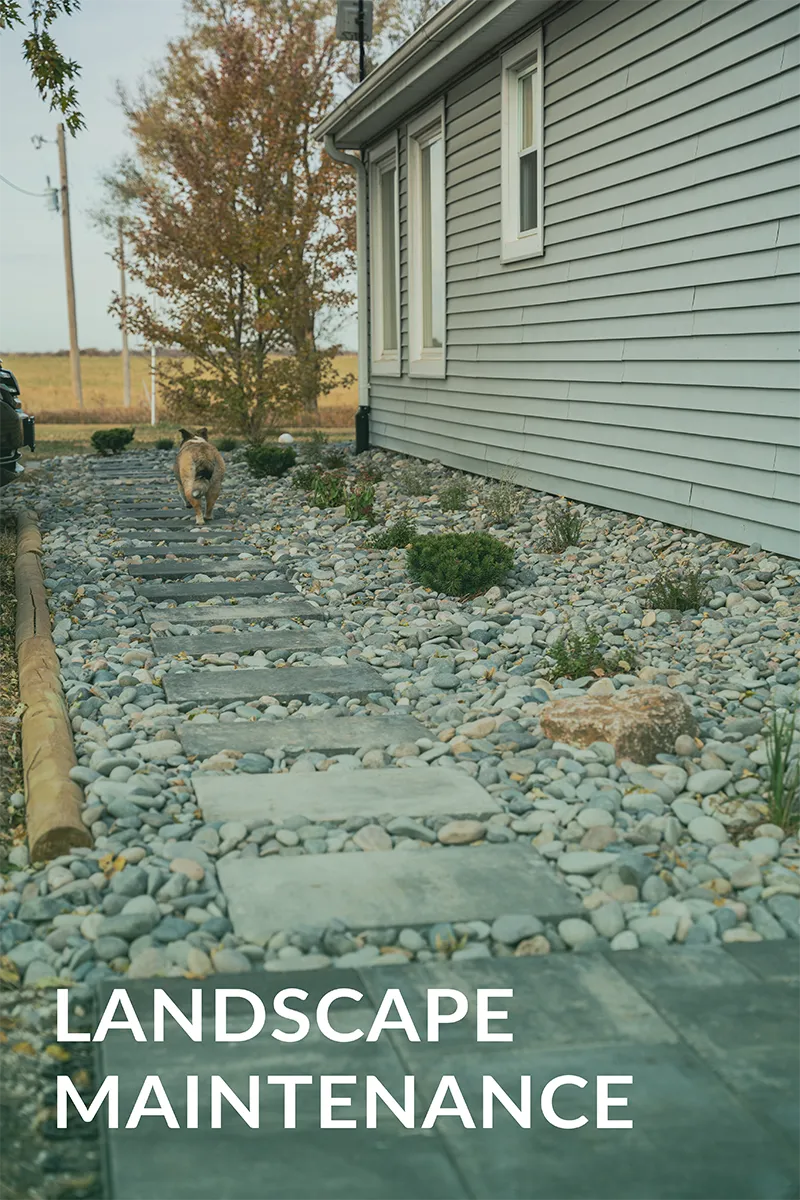
Transform your outdoor space into a flourishing oasis with our dedicated landscape maintenance services. Whether you're looking for regular upkeep or a one-time revitalization, our expert team is ready to bring out the full potential of your landscape. Contact us today to schedule a consultation and take the first step toward a vibrant and well-preserved outdoor environment that you'll be proud to call your own.
402-897-6456
info@creative-landscaping.com
1801 North 98th Street
Monday - Friday, 8:00 AM CST - 5:00 PM CST

Follow Us
Follow Us
Located at 98th and Holdrege in rural Lincoln, Nebraska, Creative Landscaping takes pride in providing its customers with customized planning, superior service, and in the end, an inviting outdoor space.
Contact Us
info@creative-landscaping.com
(402) 897-6456
1801 North 98th Street
Monday - Friday, 8:00 am - 5:00 pm
© Copyright 2025. Creative Landscaping, Inc. All rights reserved.